Seal Rock, Central Oregon Coast

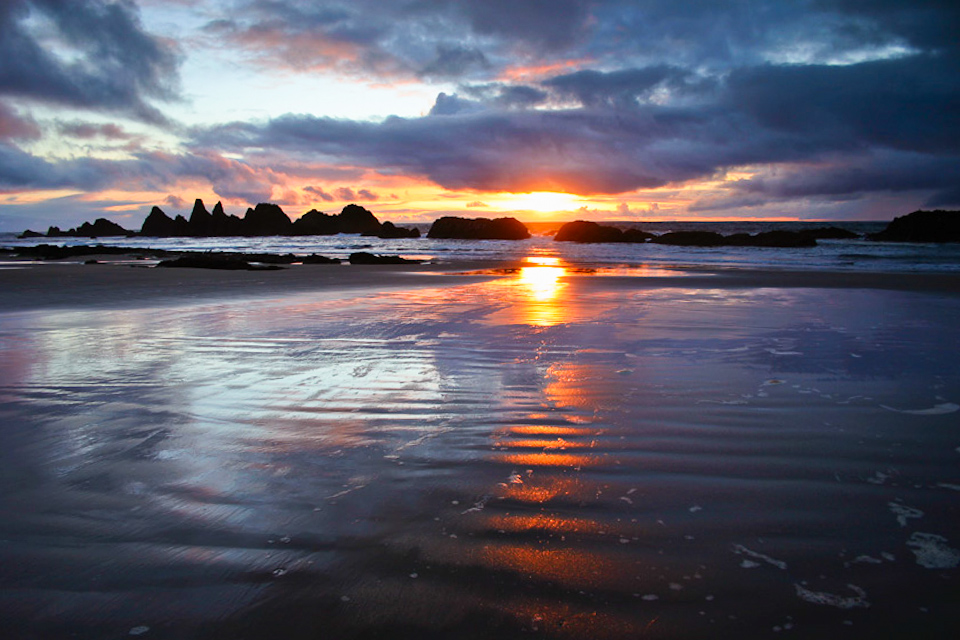
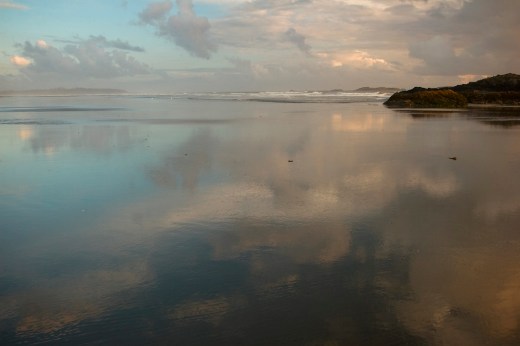
Seal Rock, Central Oregon Coast

Canon Digital Rebel, kit lens, ISO: 100, aperture: 4.5, shutter: 1/50, filter: graduated ND, tripod: yes, post: Lightroom 3

The Central Oregon Coast offers many great locations for shooting sunsets.  There are lots of rock outcroppings and seastacks to add interest and variety to the composition.  All of Oregon’s beaches are open to the public, there are no private beaches here.  So you have your choice of about 350 miles of coastline.  Access is a different story however, some popular beaches have large parking lots with board walks and wheelchair access, others may require a long hike and route finding skills.  Seal Rock has a nice parking lot and short trail to the beach.  Access is easy and photo ops are good especially when there is a break in the clouds and the tide is out.

Posted in Landscapes, Sunsets | Tagged , , , , , | Leave a comment

Vernal Pool

Vernal Pool, Rogue Valley, Oregon

Canon 30D, 17-40 f/4L, tripod: yes

Vernal pools are a unique habitat type that support rare plants and macro invertebrates.  In Oregon, these seasonally charged shallow wetland pools are found only in the Rogue Valley near Medford.  During summer months the pools are dry and not very impressive.  But, once charged by winter rains, the pools come to life with a variety of unique plants and the rare vernal pool fairy shrimp.  Several species found here are protected by the Endangered Species Act, including the fairy shrimp, so are carefully managed in hopes of preserving these rare plants and animals.

This photo of a vernal pool was converted to black and white using Lightroom.  The targeted adjustment tool (TAT) was used to adjust the B&W mixing sliders and tonal curve (a very cool tool that is available in several panels in the develop module).  I also applied a graduated ND filter to the sky, vignetted the corners slightly and locally sharpened with the masking tool.

Posted in Landscapes | Tagged , , , , , , | 1 Comment

Berries, Cherries and Pinot Noir

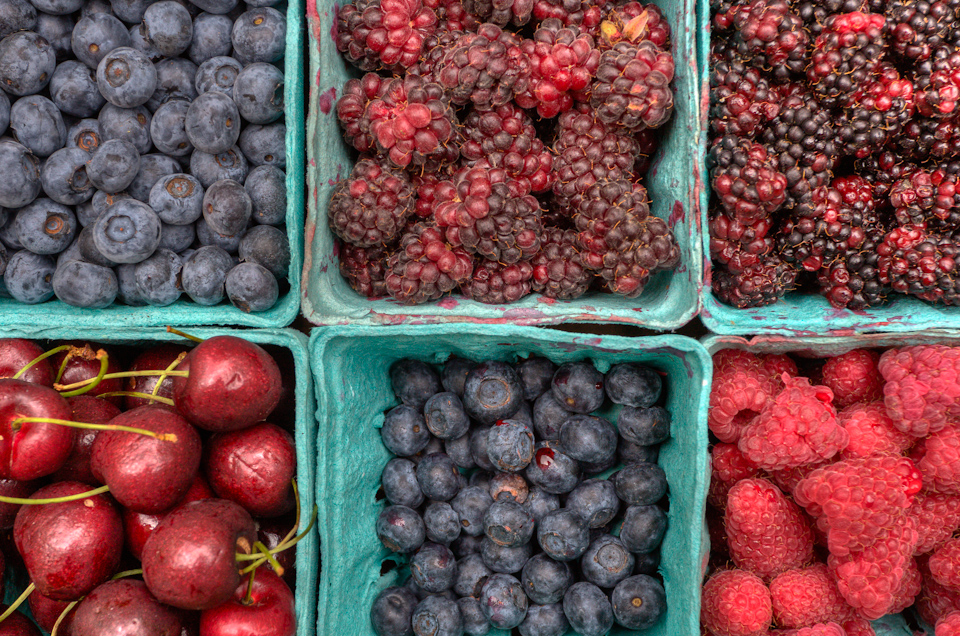
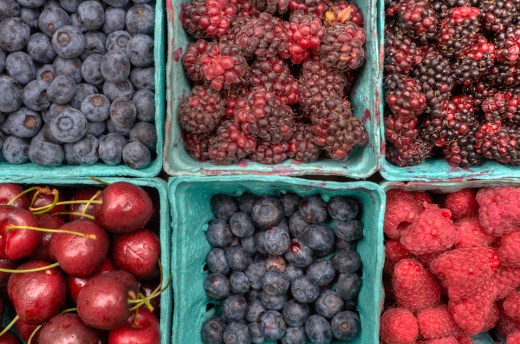
Berries and Cherries

Canon 30D, 17-40 f/4L, ISO: 800, aperture: 6.3, shutter 1/160

There’s no place better than the Pacific Northwest in summer.  We endure months of cold and rain for a few good weeks of warm weather and ripe fruit!  A good glass of Pinot Noir helps to get through those long winters too.  This year has been unseasonably wet and cool so produce is way behind normal picking times.  Wine growers are starting to get anxious and say that they need warm and dry weather from now until October.

Cristom Vineyard and Winery grows mainly Pinot Noir grapes, but also grows several other varietals including Viognier, Chardonnay, and Syrah.  The photo below shows some of their Pinot Noir vines.

Pinot Noir vines, 17-40 f/4L, ISO: 100, aperture: f/8, shutter: 1/500, graduated ND filter applied to sky in Lightroom.

Touring the Willamette Valley wine country is a great way to spend a weekend.  Many of the wineries offer free tasting or charge a nominal fee, reimbursed if wine purchases are made.  One benefit of touring the wine country is that this is also a prime fruit, vegetable and flower growing area.  Fruit stands are abundant and packing the car with ripe produce makes for pleasant smells while driving home .

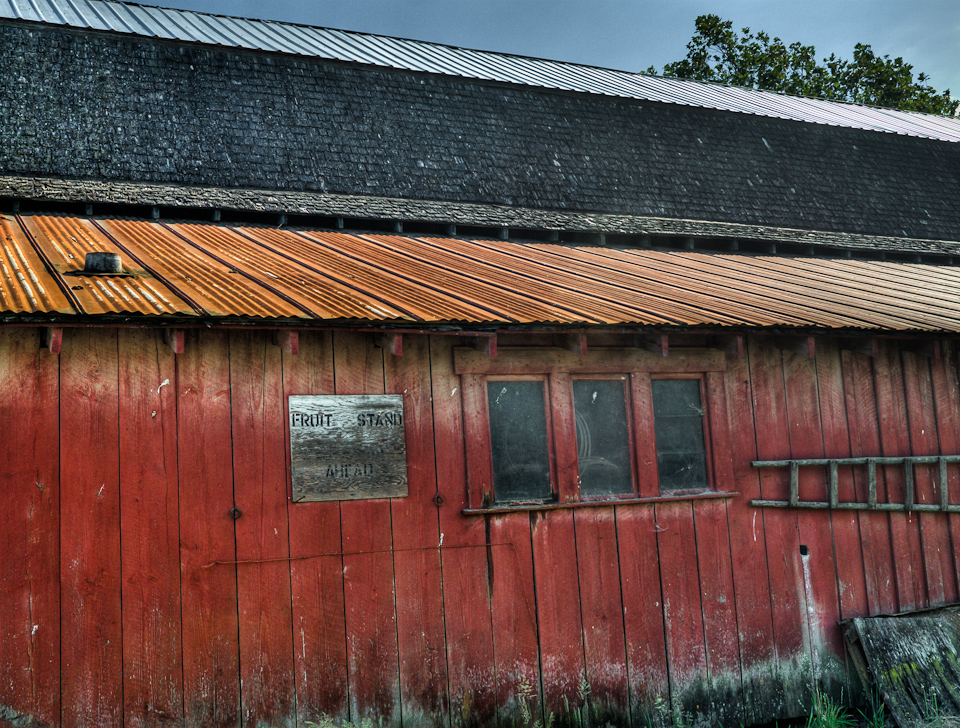
Daum’s Barn: Fruit Stand Ahead

17-40 f/4L, ISO: 800, aperture: 6.3, 1/650, HDR made with 3 bracketed images processed with Photomatix Pro and Lightroom 3

We purchased berries, cherries and peaches from the Daum’s Family Fruit Stand on the other side of this barn.  They offered hanging flower baskets too.  For more on Willamette Valley wineries see:  www.willamettewines.com  or www.eolaamityhills.com

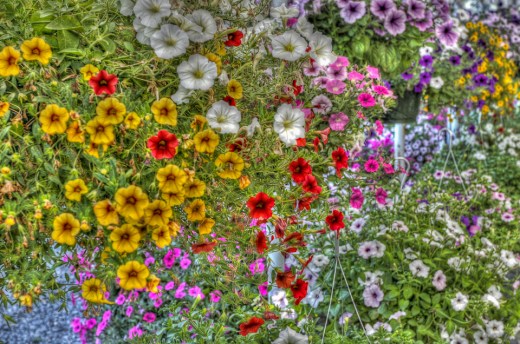
Petunia baskets at Daum’s Fruit Stand.  ISO: 800 f6.3, shutter: 1/650, HDR made with 3 bracketed images.  All images locally sharpened in Lightroom using the masking tool.
Posted in Landscapes | Tagged , , , , , , | Leave a comment

Macro photography

Butterfly, Victoria Butterfly Gardens, Vancouver Island

Canon 30D, 60mm f/2.8 macro, ISO: 100, aperture: 2.8, shutter: 1/160 second, tripod: no, post: PS2

The Victoria Butterfly Gardens is a wonderful place to capture closeup images of plants, birds and of course, butterflies.  Many photographers prefer to use a longer lens (100mm or more) for macro shots, to give their subject a little space.  Most birds and insects  have little tolerance for a photographer and camera gear at close range.  A longer lens will certainly provide more working space , but they come with more size and weight, compared to a short lens.  Size and weight are an important consideration for me so I prefer to use a 60mm for my close up work.  It’s not ideal in every macro situation but the lens fits easily in a vest pocket so I’m more inclined to bring it along when on a shoot.

Posted in Wildlife | Tagged , , , , , | 1 Comment

Moon Over Broken Top

Broken Top, Three Sisters Wilderness, Central Oregon Cascades

Canon Digital Rebel, ISO: 100, aperture: 5.6, shutter: 1/13, exposure bias: -0.3 step, filter: circular polarizer, post: Lightroom 3

I use to plan my backcountry trips around the full moon.  Not only was hiking by moonlight exhilarating, but photo ops were good too.  This shot was taken in late summer when a wildfire was burning nearby.  The sky had a fair amount of  smoke that limited visibility during the day, but just before sunset the wind kicked up and cleared the sky enough to make a few good photos.

Moon over high camp, Three Sisters Wilderness, Oregon Cascades

Canon Digital Rebel, ISO: 100, aperture: f/3.5, shutter: 4 seconds, exposure bias: -2 steps, tripod: yes

For this photo I set the shutter to a 10 second delay, climbed into the tent and turned on my flashlight for a couple of seconds.

Posted in Landscapes, Sunsets | Tagged , , | 2 Comments

White Ibis

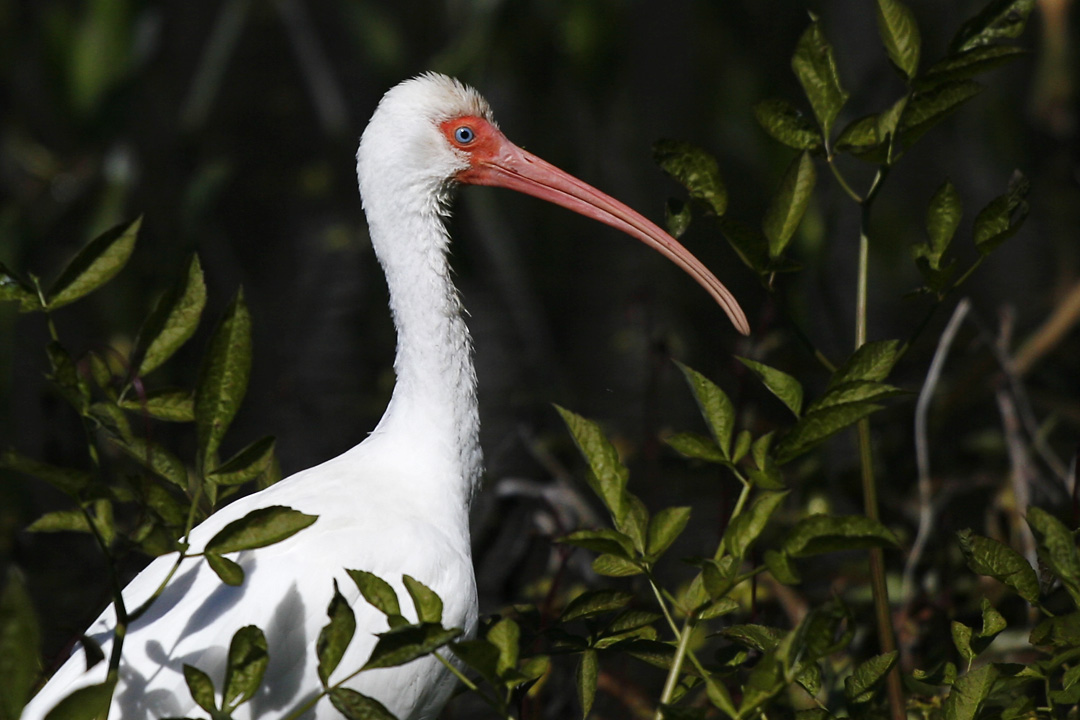
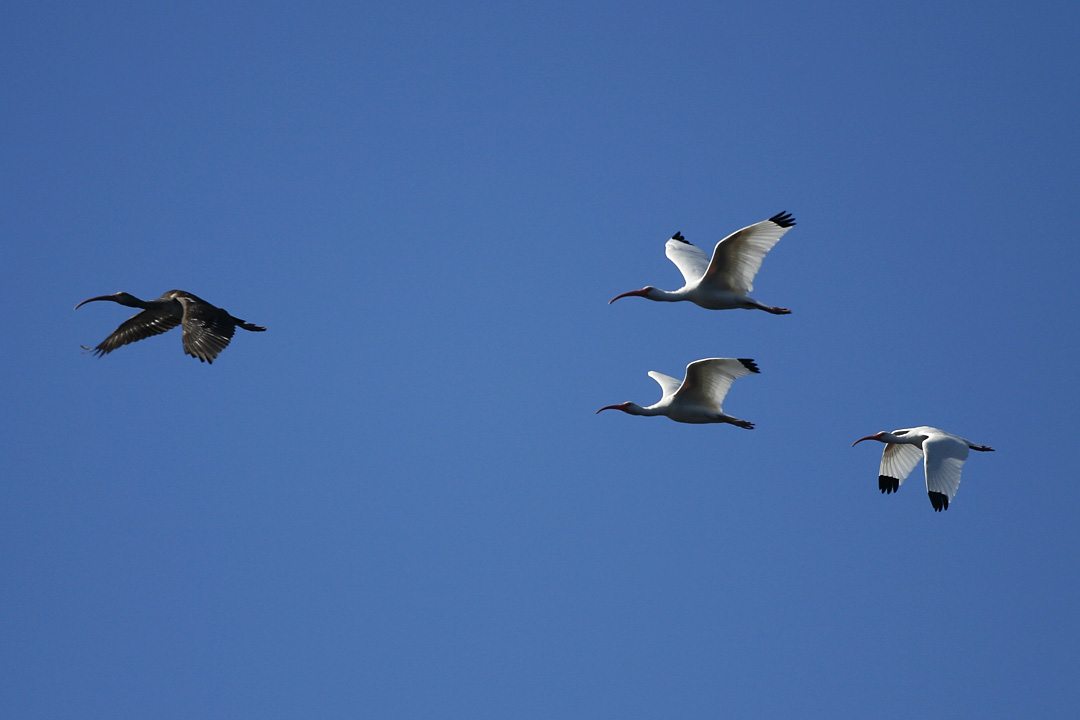
White Ibis, Wakulla Springs State Park, Florida

Canon 30D, 70-200 f/4L, ISO: 200, aperture: f/4, shutter: 1/3200

While visiting Florida the White Ibis soon became my favorite bird … although the choice is difficult with so many species to choose from.  This showy bird with long bill and blue eyes is a common wetland species that feeds on crayfish,  frogs and aquatic insects.

One thing that I enjoy doing is building a portfolio of a single subject, whether a unique bird, mountain or beach.  I look for different settings, lighting conditions and backgrounds to build a collection of photos that reflect different moods, behavior etc. of the same subject… it’s fun.

It didn’t take long to build a nice collection of photos of the White Ibis.

White Ibis in flight: ISO: 200, aperture: f/4, shutter: 1/1600

Posted in Wildlife | Tagged , , , | Leave a comment

Pacific Rim Sunset

Pacific Rim National Park, British Columbia

Canon 30D, 17-40L, ISO: 100, aperture: f/22, shutter: 1/2 second, focal length: 22mm, tripod: yes

Wet sand and partly cloudy skies are a good combination for a nice photograph.  Time of day is another important consideration.  Often, the best lighting is when most people are sleeping or eating.  Dawn and dusk are not only the best times for lighting, but wildlife is most active too.  During mid day this beach was busy with beachcombers, but by 8pm everyone had gone back to camp.  To get the best shots photographers usually sacrifice a ‘normal’ schedule to be in position for the best light.

aperture: f/16, shutter: 0.8 seconds, filter: 2 stop soft edge ND, tripod: yes

By 8:30 the lighting here was just amazing.  We ate dinner by flashlight this night…

Posted in Landscapes, Sunsets | Tagged | 4 Comments

Green Heron

Green Heron

Canon 30D, 70-200 f/4L, ISO: 100, aperture: f/4, shutter: 1/200, focal length: 200mm, tripod: no, filter: no

The Green Heron is a common species in wetland areas of North and Central America.  This photo was taken in a created wetland at the Oregon Garden near Salem.  Created backyard habitats and developed garden areas provide great opportunities to photograph wildlife in a ‘natural’ surrounding.  Animals are attracted to these urban ‘natural’ areas and can often be approached much closer than in the ‘wild’.  Animals look for food, water and cover, so if you can provide those, you will attract wildlife to your yard.

I was about 20 feet away from this heron so was able to get some nice tight shots with a 70-200.  Using f/4 and zoomed to 200 provided a nice shallow depth of field to help isolate the main subject.  My camera is most often set to aperture priority, so I can control the depth of field.

Posted in Wildlife | Tagged , , | Leave a comment

Mount Rainier

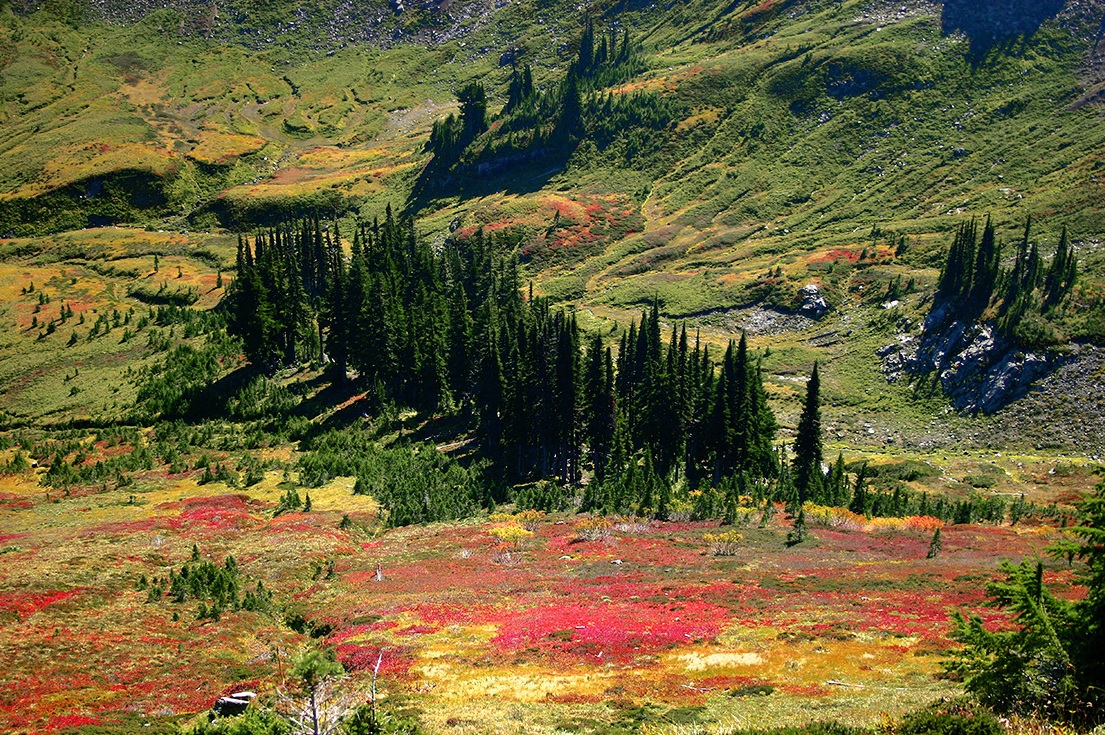
Meadow near Paradise, Mount Rainier National Park

Canon Digital Rebel, 17-40 f/4/L, ISO: 100, aperture: f/8, shutter: 1/160, tripod: no

Our family vacationed at Mt. Rainier faithfully year after year.  We hiked the trails that meander through the alpine meadows at Paradise, Sunrise and Mowich Lake.  In my early climbing days I ascended the Ingraham Glacier via Camp Muir to summit this 14K giant.  It was an exhausting climb.  Finally, before the kids grew up and left home, we completed the 90+ mile Wonderland trail that circles the mountain.  It was an experience that I still think about 16 years later… I hope the kids do too.

Reflection Lake and Mount Rainier

ISO: 100, aperture: f/22, shutter: 1/2 second, tripod: yes

Reflection Lake is one of those iconic spots where photographers congregate for sunrise.  I got up before first light every day for a week to get into position for this shot.  The mountain creates its own weather so you never know for sure if the clouds will cooperate or if the light you’re looking for will be there.  This day I was lucky.  Well, I learned early on, you have to work for luck in this business.  To maximize depth of field so both flowers and mountain are in focus use a small aperture, f/16 or 22 and focus 1/3 of the way into the scene.

Posted in Landscapes | Tagged , | Leave a comment

Union Street Bridge

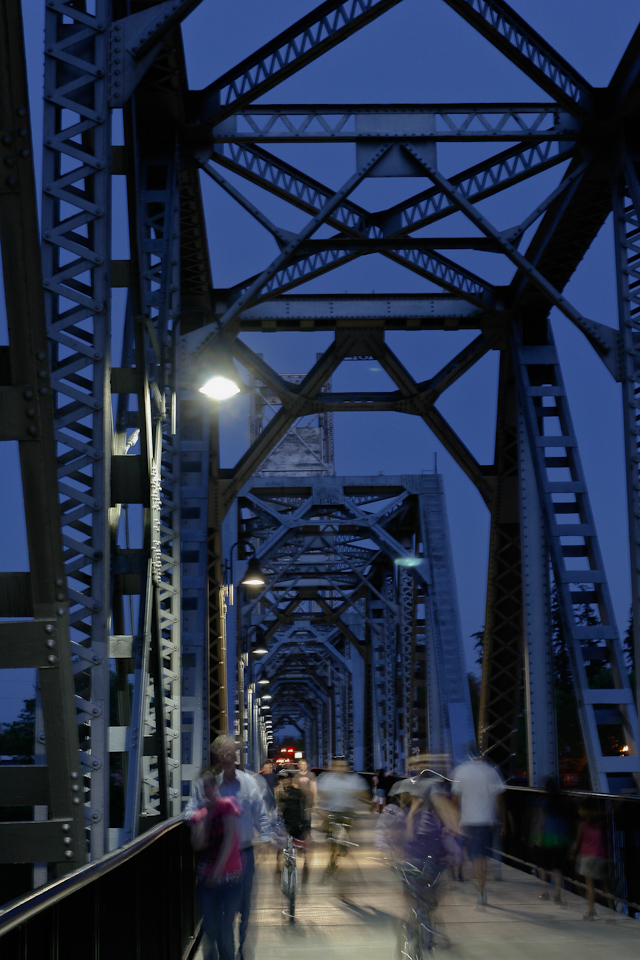
Union Street Ped Bridge, Salem, Oregon

Canon 30D, 17-40 f/4L, ISO: 200, aperture: f/8, shutter: 1.3 seconds, tripod: yes

The Union Street Bridge is a great old historic railroad bridge that crosses the Willamette River in Salem.  Recently the bridge was converted for pedestrian use.  The conversion was an instant hit with bike commuters, skateboarders, joggers, and families looking to escape the summer heat by spending time at the river.

Using a slow shutter speed (1.3 seconds) conveys that sense of motion that makes the photo come to life.  I took several shots before and after dusk with varying shutter speeds and apertures.  The best photos were just after the bridge lights came on, when there was still light in the sky.  Lighting is always the key factor in a successful photograph.  Timing is everything… as they say.


Posted in Landscapes | Tagged , , | Leave a comment